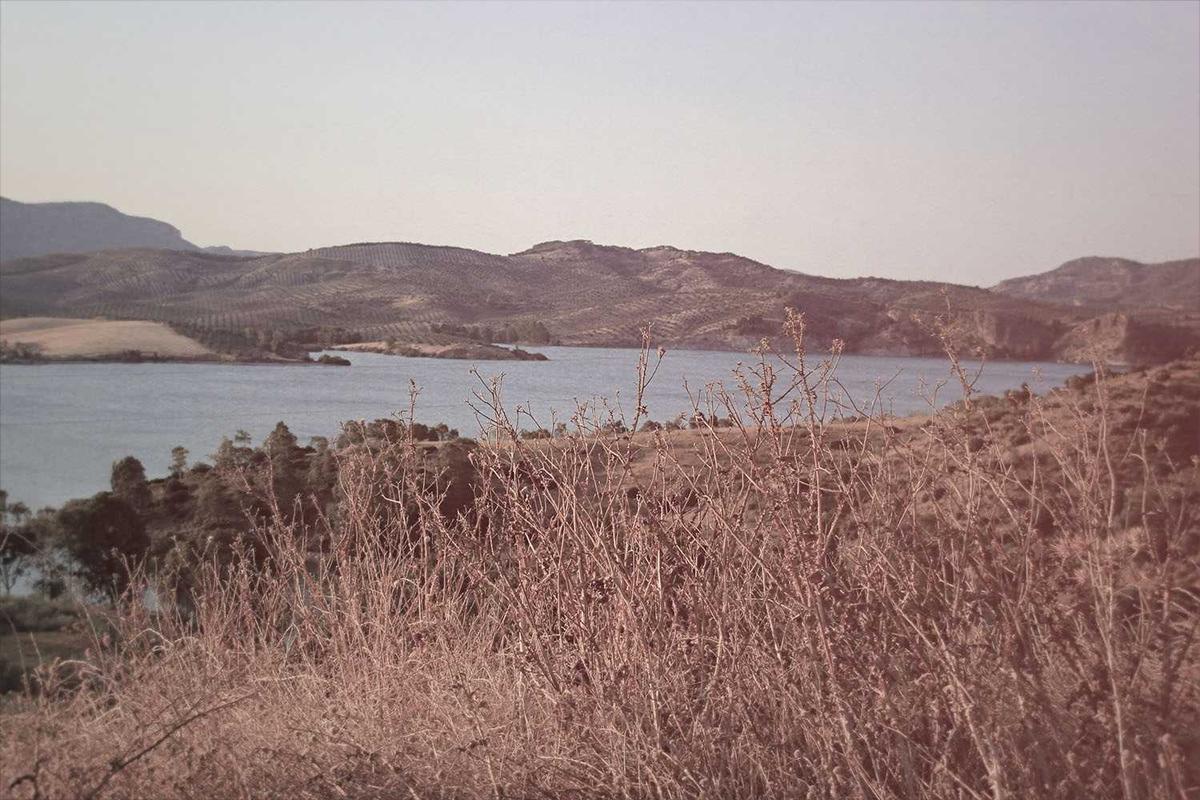
The pristine fjords and glacial peaks of Patagonia, long a sanctuary for intrepid travellers, are now the epicentre of a medical mystery that has global health experts on edge. Chilean authorities are scrambling to contain a cluster of unexplained fatalities in the remote Los Lagos region, with at least 12 suspected cases of a haemorrhagic fever that bears an uncanny resemblance to hantavirus pulmonary syndrome. Yet the official line from Santiago is defiant: this is not hantavirus, they insist, despite the telltale symptoms of fever, respiratory failure, and fluid accumulation in the lungs. The discrepancy has sparked an urgent investigation by the World Health Organisation and raised the spectre of a novel pathogen emerging from one of Earth’s last wild frontiers.
For the thousands of backpackers and adventure-seekers who flock to Patagonia each year to hike Torres del Paine or kayak through the Carretera Austral, the news is a cold dash of reality. The region’s allure is its raw, untamed beauty, a place where nature remains sovereign. But that very wilderness harbours risks we are only beginning to understand. Hantaviruses, carried primarily by rodents, are notoriously elusive: they kill roughly 40 per cent of those infected and can incubate for weeks before striking. The Chilean government’s denial, however well-intentioned, risks a public relations disaster. In the age of social media, a single unverified tweet can trigger a cascade of cancellations that devastate local economies.
I have spent years studying how digital information flows can amplify health crises. The pattern is predictable: first comes silence, then denial, then panic. The real question is whether the outbreak is truly an isolated incident or the first signal of a larger ecological disruption. Climate change is pushing rodent populations into new territories, while deforestation and tourism infrastructure encroach on habitats. This may not be hantavirus, but it could be something worse: a pathogen we have no name for yet.
Chile’s health ministry has deployed rapid response teams to collect blood samples from both patients and local wildlife. Early results point to a viral agent, but sequencing is still underway. Meanwhile, the US Centres for Disease Control has issued a travel advisory, urging visitors to avoid contact with rodent droppings and to seek immediate medical care for any flu-like symptoms. The travel industry is already feeling the pinch. Airlines report a 20 per cent drop in bookings to southern Chile, and eco-lodges in Torrres del Paine are seeing cancellations for the peak summer season.
This is a story about trust. When authorities say there is nothing to see here, the public’s first instinct is to assume the worst. The playbook for managing such outbreaks is by now well established: transparent communication, real-time data sharing, and a proactive stance. Denial only fuels the fire. I have seen this in the early days of Zika, MERS, and the 2019 novel coronavirus. The longer the truth is hidden, the larger the event becomes.
For now, the advice is practical. If you have any flu-like symptoms after visiting rural Chile, mention your travel history to your doctor. Avoid close contact with wild animals. And wash your hands religiously. But the deeper lesson is for our species. We have built a global tourism industry that depends on the illusion that nowhere is truly dangerous. The reality is that the wild places we romanticise are also reservoirs of the unknown. The next pandemic may not come from a Chinese wet market but from a boutique hotel in Patagonia. We need to start thinking about travel not just as a leisure activity but as a complex interaction with ecosystems that can fight back.
As the sun sets over the granite peaks of the Andes, the tourists keep walking the trails. Many are unaware of the drama unfolding in the hospitals just a few hundred miles away. But the algorithm that fuels my feed is already buzzing with the first reports from travellers claiming to feel unwell. The signal is faint, but it is there. The question is whether we will listen before the signal becomes a roar.