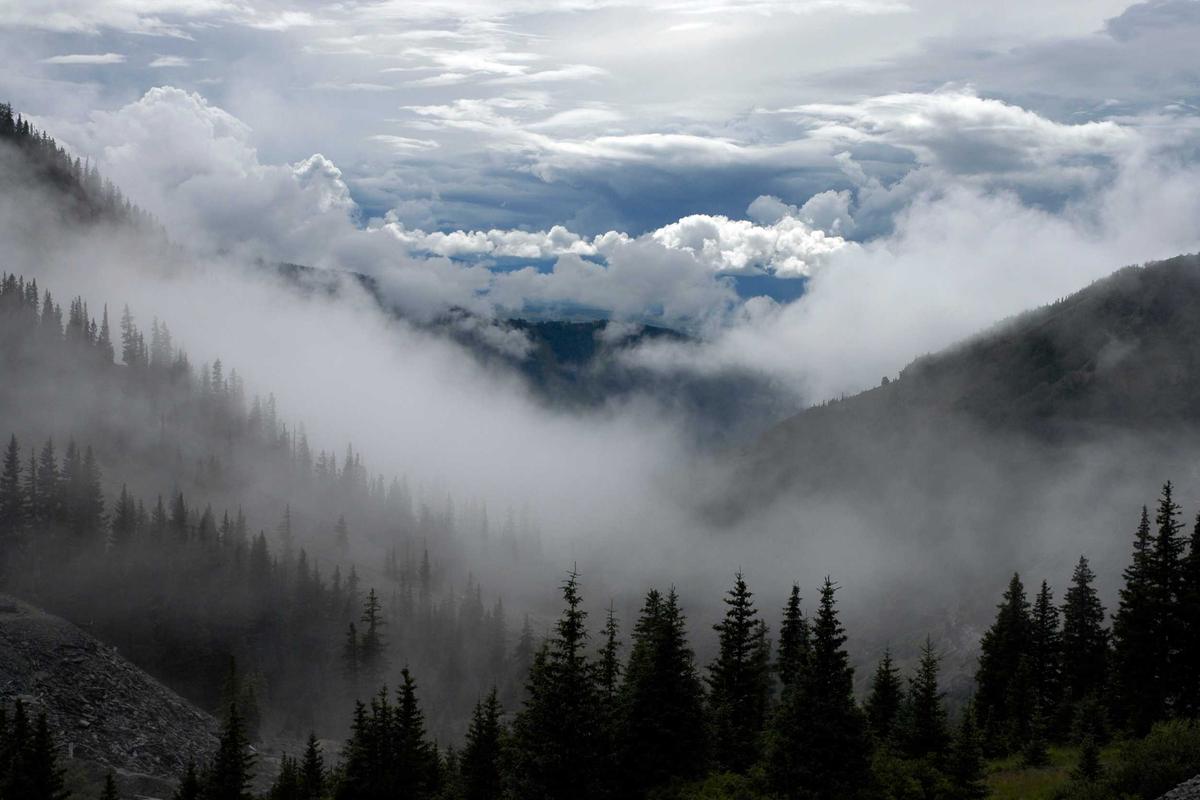
The summit push on Everest has been thrown into chaos by a gargantuan ice block that has severed the standard route near the Balcony. In a display of high-altitude ingenuity, a team of climbers, led by British mountaineers, have spent the last 12 hours carving a bypass through the serac field. Using ice screws, titanium jumars, and a fair bit of old-fashioned elbow grease, they have established a fixed line that skirts the unstable block.
The operation was a race against the clock: with the jet stream predicted to strengthen late Thursday, any delay could trap climbers in the Death Zone. The leader of the British team, Mark Sutherland, described the ice block as ‘the size of a double-decker bus’ and said the team had to ‘think like digital masons’ to map its crevices using sonar probes. The bypass is now open, but climbers are being urged to move with extreme caution.
This is the latest in a series of bottleneck dramas on Everest this season, highlighting the fragility of the mountain’s infrastructure. The question now is whether the cleared path will hold long enough for the summit window to remain open. The user experience of Everest climbing, it seems, is being rewritten by climate change.
And the algorithm of survival is demanding faster, smarter responses from both humans and their tools.